MEDAN – Capital of Sumatra.
My last blog was about Singapore – a modern, dynamic, city constantly changi ng and concealing a lot of its Asian-ness. In total co
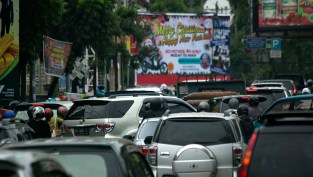
 ntrast, a few days later I was ankle deep in mud, inhaling the exhaust fumes of trucks jammed abreast on the only road to the port (where my ship was waiting), overturned lorries, traffic clogging the city streets, beggars darting between moving cars and rubbish pickers collecting anything recyclable – this is Medan! Sumatra is a very Muslim Island in Indonesia, but Medan, its capital is not in, or near the radical, Sharia state of Aceh. Medan typifys the old Asia and I was delighted and a little surprised by

the warmth and friendliness of the local people.
Women in their hijabs offered soft, welcome smiles. School girls with their cell phones wanted selfies – well, with us in them and the men in the mosques nodded their acceptance as we admired their place of worship.
At the lavish Sulta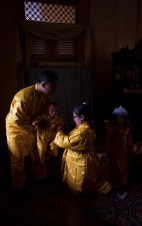 ns’ Palace, families donned for a few hours, the gold clothes of royalty again, for those photographic moments.
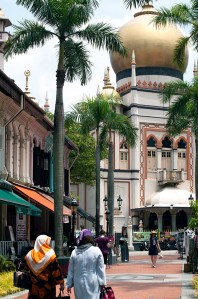
The Grand Mosque – is very grand, the old Chinese Temple offers advice for wealth and prosperity and roadside ‘repairers’ fix bicycle tyres from the gutters and trishaw drivers, without passengers, snooze in the sun.


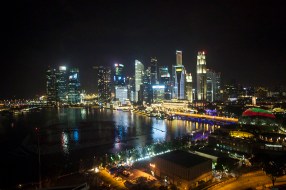 pore for many years – usually as a stopping off point on longer hauls or as a cheaper gateway into Asia. It is a city that never seems to stop changing and re-inventing itself. Every time I’ve been back it looks different. Years ago when I used to stay in the cheap dumps that were scattered around Bencoolen St, you knew you were in an Asian country just by walking outside the door. It was exciting and exotic. It smelt of Asia it looked like Asia and it promised adventure, excitement !and cheap shopping – not so much anymore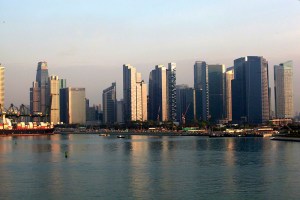
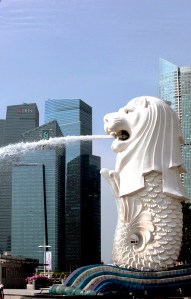 want to experience ‘Asia’ – Singapore is not the place. Forget tourist traps like ‘Little India’ – where you are constantly hassled and ‘Chinatown’ which is a tourist precinct of organised stalls selling the worst of cheap bling. Forget the ‘Asia’ thing and enjoy Singapore for what it has become – a dynamic, modern city state that is not only unique but constantly transforming itself. The city heads for the skies with tall buildings show casing amazing design and innovative architecture. Acres of gardens and parklands transform a city of glass, concrete and steel. The preservation of the old colonial buildings is a reminder of its history, while the Changi Museum makes you realise its considerable achievements after years of war.
 seem content with the status quo.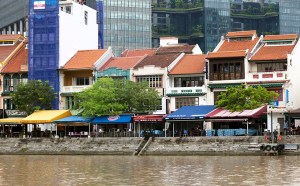
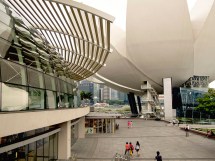 tting up – but in this era, with a lot of style and consideration.
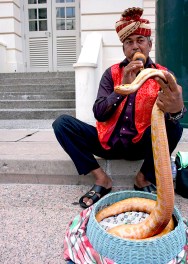 as much to be proud of and one outstanding achievement is tolerance and harmony. With its diversity of citizens and religions – Indians, Chinese, Malays and ex-pat Europeans – its people all live as and are proud to be, Singaporeans.
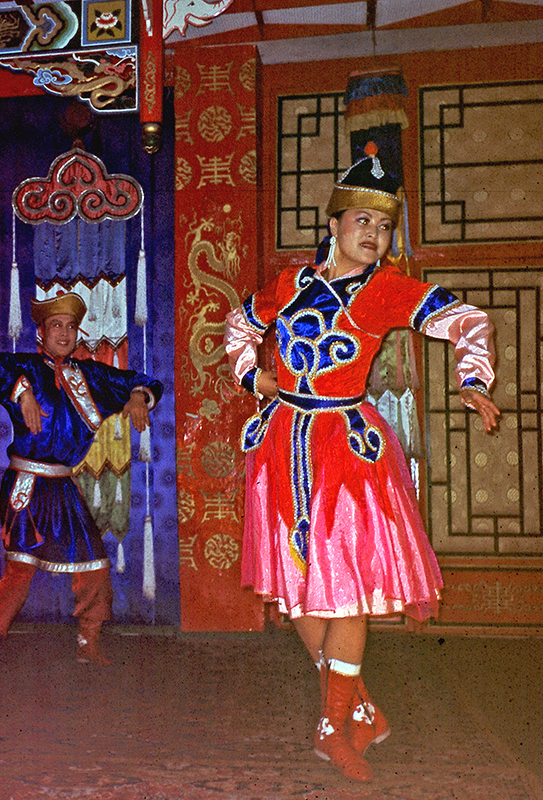
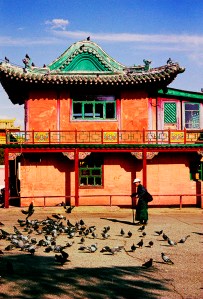 akeries, Austrian coffee, modern shops and breathtaking ancient palaces and exquisite, Buddhist monasteries – the few survivors of the brutal Stalinist purges that destroyed not only the buildings but the monks themselves. In the Museum of Persecution, the names of 20,000 lamas, intellectuals and soldiers line the walls.
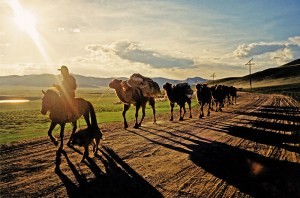 s, assorted hardware, shimmering silks and satins and tables of dissected sheep sit beside piles of onions, potatoes and summer fruits.
 ee and fenceless country with its wild, beautiful landscapes and its warm, welcoming people.
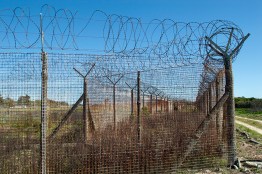 erested enough to take the little ferry across
  and visit.
 ng labour. Chilling stories of the previous apartheid policies and punishments, are told calmly, without hatred, by these guides as they relate their personal stories.
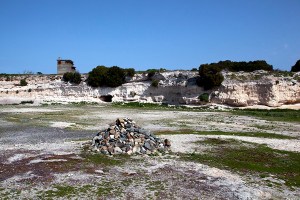 er which he could write
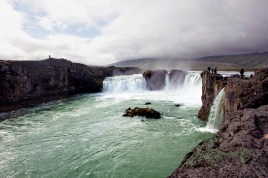








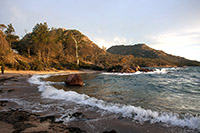
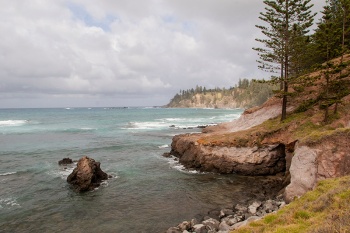 ext to your kayak and a variety of nesting birds eye you with only a little caution. Where fish once caught, are either traded perhaps for wild guava jam, or merely given away. W
 rf to watch the supply ship being unloaded, where, when you die, your mates dig your


 Goatshiteambulance: